The pandemic highlighted – at least in Western countries – an important divide in society. While some wanted to protect citizens from the consequences of the serious disease and health care from spiraling into chaos, others rebelled and were skeptical of regulations that interfered with individual freedom.
In the past, too, the fight against communicable diseases has had to touch on the individual’s freedom. This was most evident – not so long ago – during the period of leprosy, when sufferers were isolated from society, some for life. Tuberculosis patients had to be placed in sanatoriums. Children with scarlet fever were admitted to infection hospitals, where even parents could not enter. This was so that patients did not spread the disease in their families and society. Initially, the reason was that it was not known how the diseases spread and later because there was no effective treatment.
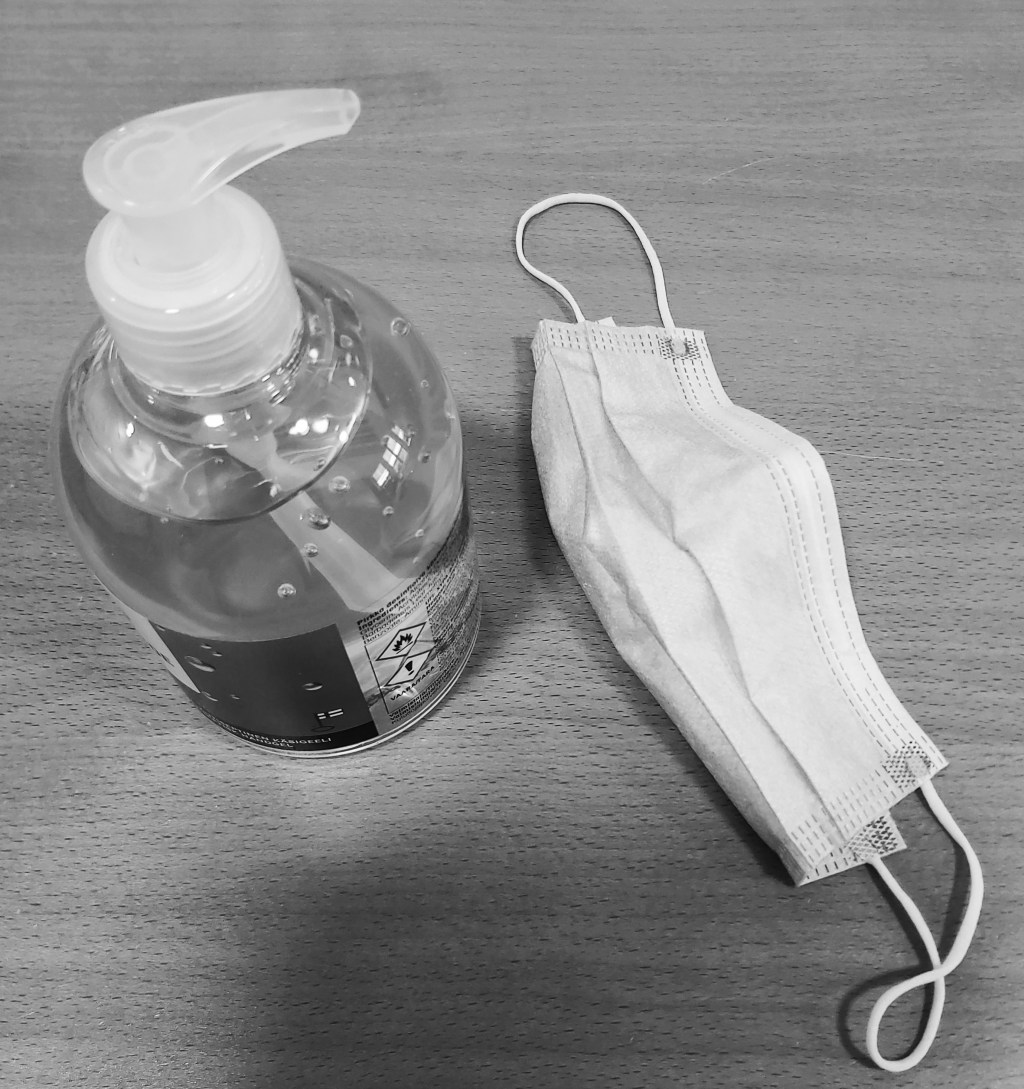
Restrictions on individual freedom were introduced globally at the start of the pandemic in 2020. In China, the measures were taken to the extreme until December 2022. COVID-19 was a global health emergency. The world, and the WHO, woke up to this quite late in 2020 when it became apparent that the cases were so severe that hospitals and intensive care units quickly filled with patients all over the world, and mortality rates were high. In Finland, too, the Covid infection was defined as a universally dangerous communicable disease, which, according to the law, means that authorities can use coercive measures against a person to protect the population. instructions were issued on hand hygiene, isolation, the use of masks, visits to old people’s homes and vaccinations.
Can a citizen be commanded? Where is the limit?
In Finland, as in other countries, there was a debate about civil disobedience. Apart from the Mental Health Act, the Communicable Diseases Act is one of the only laws that allows actions that interfere with individual freedom. The use of restriction regulations provoked strong reactions in the Finnish liberal atmosphere that emphasizes individualism. People resisted, some out of principle, and refused to wear a mask or be in home isolation or get vaccinated.
In Finland, the majority of those hospitalized and admitted to intensive care units have been completely unvaccinated. Non-vaccination is also prominent among the dead. Due to the strain on intensive care units, operations had to be postponed. The workload of hospitals during the pandemic was enormous.
It is a good idea to draw some final conclusions from the pandemic period and consider the justification for restrictive measures. But before that, it must be remembered that the Covid pandemic was a global emergency at all levels of healthcare. Finland – not to mention other countries – lived at the limit of whether non-coronavirus patients could be treated in intensive care at all. That would inevitably have led to their deaths. Against this background, it is small-minded to wonder whether people’s right to self-determination was limited unnecessarily.
 Esa's Notebook
Leave a comment