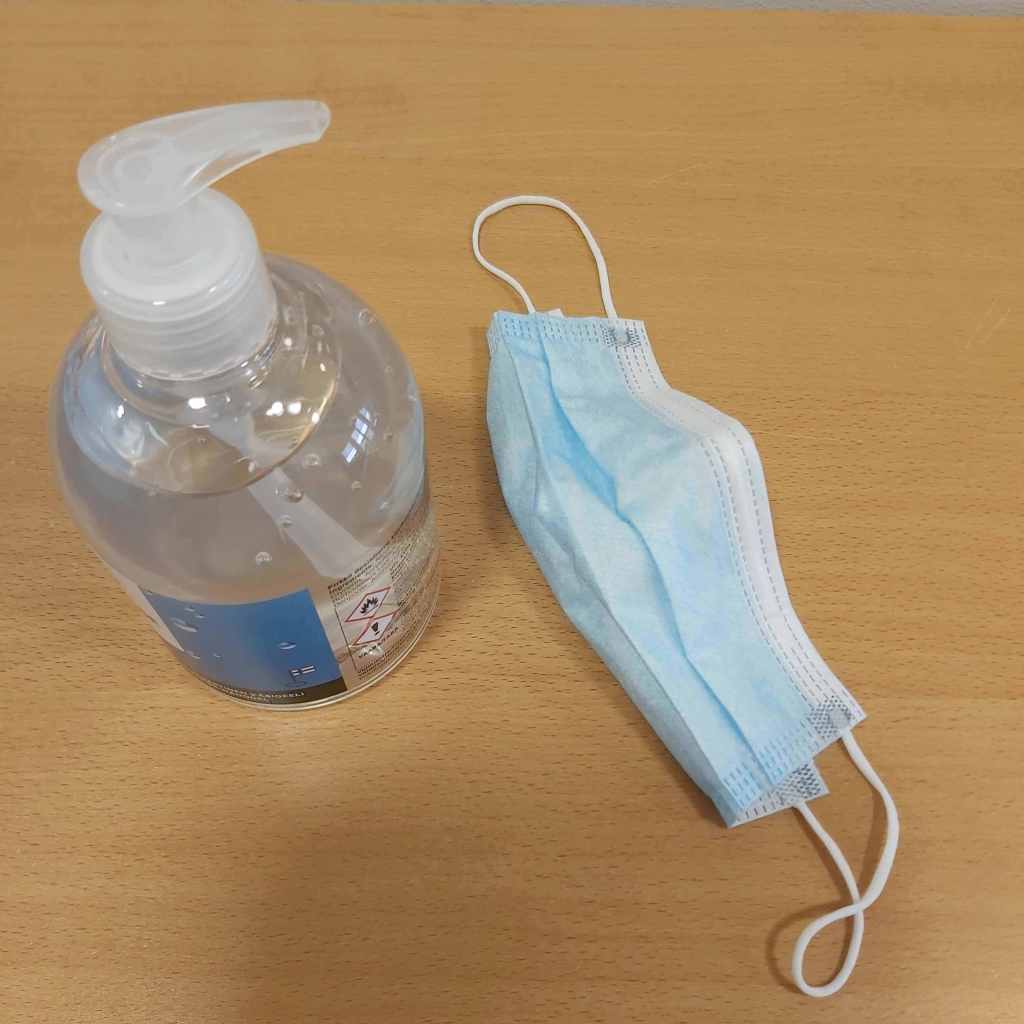
Now it has been 5 years since the start of the corona pandemic. The World Health Organization (WHO) declared the COVID-19 pandemic to have begun on March 11, 2020. Prior to this, the WHO had already declared a Public Health Emergency of International Concern (PHEIC) on 30 January 2020, but the actual pandemic status did not come until March, when the virus had spread widely around the world.
The pandemic was a disaster. It was the worst catastrophe to hit humanity globally since the Second World War.
In the early stages, before an effective vaccine was invented, there were a lot of serious respiratory infections. Intensive care units in Europe were overloaded, and there were ambulance queues at hospital outpatient clinics. Every effort was made to avoid infections because it was feared that the capacity of intensive care units would be exceeded throughout Europe. To avoid infections, a face mask was used, hand and coughing hygiene were emphasized, and contacts between people were deliberately reduced. People were encouraged to work remotely. Children and schoolchildren were advised to stay at home. Visits to the elderly were advised to be avoided.
In 2021, 952 people died of coronavirus disease in Finland, which was just under two per cent of all deaths in that year. In 2022, 4,349 people died from the coronavirus, which corresponded to almost seven per cent of all deaths. According to Eurostat, an exceptionally high excess mortality rate was observed in Finland in November 2023, which was 40 per cent higher than in the corresponding period in 2016–2019. Across Europe, the effects of COVID-19 on mortality varied considerably between countries. For example, in April 2020, excess mortality was 80.5% in Spain, 73.1% in Belgium and 53.8% in the Netherlands.
An effective mRNA vaccine was obtained at a record pace, about a year after the start of the epidemic. Its development was an outright miracle because the vaccine was effective. As a result of the increase in vaccination coverage, the number of serious cases of the disease began to decline in 2021, although transmissions continued to occur. Vaccination saved a considerable number of deaths. COVID-19 mRNA vaccines, such as Pfizer-BioNTech’s Comirnaty and Moderna’s Spikevax, proved to be highly effective in preventing severe coronavirus disease and related mortality. The introduction of these vaccines significantly reduced COVID-19-related deaths both in Finland and more broadly in Europe. Finnish Institute for Health and Welfare (THL) monitored the mortality of vaccinated people during the period 1.10.2020–10.1.2022. The results showed that the mortality rate of the vaccinated was clearly lower compared to the unvaccinated population. For Europe, the WHO estimates that coronavirus vaccinations saved more than 1.4 million lives in 2021–2023. Coronavirus vaccinations reduced coronavirus mortality by 50–75% in different countries. At the European level, mRNA vaccines have played a key role in managing the pandemic. According to the European Commission, these vaccines have prepared the body’s immune system to recognize and fight the COVID-19 virus effectively, leading to a significant decrease in mortality. In general, the widespread use of mRNA vaccines has been a decisive factor in reducing COVID-19-related deaths both in Finland and elsewhere in Europe.
Finland coped with the pandemic moderately. However, preparing for a major pandemic did not go well. Finland has prepared for the influenza pandemic lasting a few months at most. The covid pandemic lasted for years. Protective jackets and masks ran out of hospital district stocks and the National Emergency Supply Agency in the bud. No more was received because Finland was dependent on production in China. Due to the pandemic, China needed the protective items themselves, and they were no longer available anywhere. A desperate Europe-wide battle for protective equipment ensued, and obsolete protective equipment was acquired for Finland. Fortunately, at some point, Finland was able to produce its own fiber fabrics, which could meet the demand for protective jackets and face masks. Before that, plastic, multi-purpose visors were introduced, which worked reasonably well.
Another mistake was made with regard to coronavirus testing. The Ministry of Social Affairs and Health ordered massive testing to be carried out at the borders for those arriving from abroad. This testing tied up a huge amount of health care personnel, who were already burdened with managing the epidemic. The tests were illogical, because one in-person test hardly catches infectious cases. It was more effective to instruct symptomatic people to remain under house arrest until the symptoms disappeared. During the pandemic, as knowledge increased, the length of house arrest could also be shortened.
The third mistake was made in distancing the citizens. To prevent infections, it was thought that prohibiting visits to the elderly would be an effective measure. Visits were allowed only from behind the window. There was no trust that citizens would be able to deduce from their symptoms whether they could go to their own elderly or not, altough this has been the basic rule of visiting the elderly and those with underlying diseases throughout the ages. The elderly were isolated from their relatives in a shocking way to loneliness, for the last years of their lives. Children and young people were also isolated, even though it was known that schools and educational institutions are not significant sources of infection. There was evidence of that. Being deprived of school and all social interaction left its mark on children and young people.
In Finland, the decision on pandemic measures was largely made by the Ministry of Social Affairs and Health. At the beginning of the pandemic, coordinating and operational groups for pandemic preparedness had been established. However, the Ministry of Social Affairs and Health did not consult Finnish Institute for Health and Welfare (THL) and especially not its own Advisory Board on Communicable Diseases as it should have. There was a lot of conflict between the Ministry and the infectious disease doctors of the hospital districts in the justifications for the pandemic measures. Infectious disease physicians did not always understand why a certain action was ordered, even though there was no guarantee of its effectiveness, quite the opposite.
Gradually, the pandemic began to subside globally. It finally struck its country of origin, China, in the winter of 2022–2023. Infections began to emerge when the Chinese government had to relax its Zero Covid policy and quarantine regulations for entire cities due to escalating protests from citizens. Because citizens had not developed any immunity to the coronavirus due to strict quarantine regulations, the omicron variant of the coronavirus spread like wildfire and caused a huge epidemic throughout China. China also did not have an effective vaccine. The number of deaths is estimated at 1.41 million between December 2022 and February 2023.
 Esa's Notebook
Leave a comment