We live in a constant storm of sensory stimulations, that compete for our attention. We spend more and more time on social media or mobile phone apps or games, which consist of rapidly changing images and sounds. Our attention is drawn to these ever-changing objects, and our ability to concentrate for longer is continuously damaged.
Cognitive load is the amount of our brain’s working memory being used. There is a Cognitive Load Theory, according to which the function of our working memory depends on how much sensory information is given at the same time. This theory states that irrelevant (and potentially distracting) stimuli can only be perceived if there is sufficient spare perceptual capacity left over from task processing (https://doi.org/10.3389/fpsyg.2013.00283). It has been shown that when the pressure of sensory stimuli and distractions increase, performance in cognitive tasks is undermined .
This also applies to our everyday lives. Living in constant sensory overflow puts our brain’s ability to process them to the test. We don’t have time to sit down and focus on just one thing at a time. A recently published meta-analysis found that greater use of mobile phones and other wireless devices may be associated with poorer mental health in children and adolescents (https://doi.org/10.1007/s00787-022-02012-8).
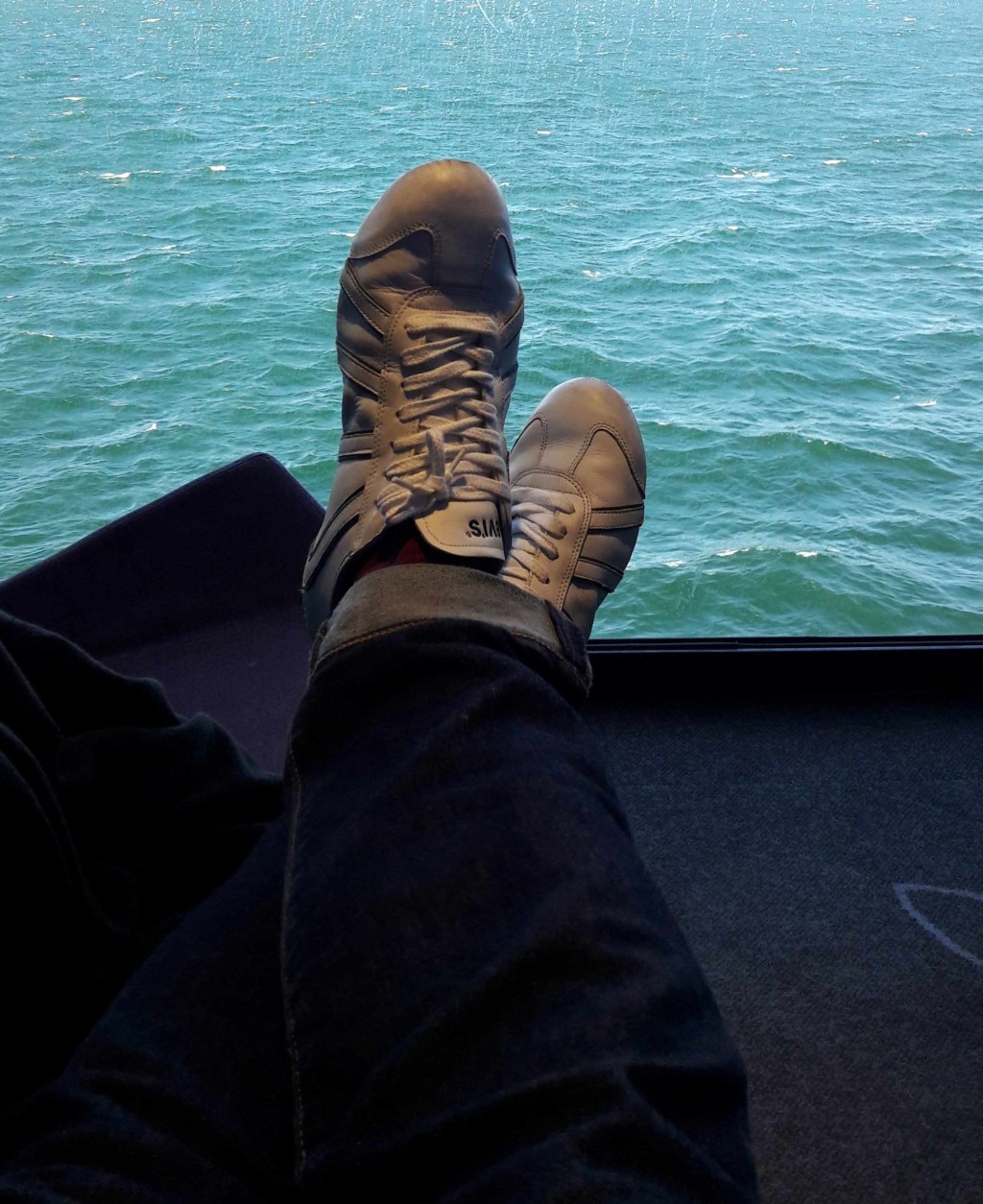
So what should we do then? Hundreds of books have been published on concentration, presence and silence. Focusing and seeking silence must be learned consciously and intentionally at first. However, special textbooks are not necessarily what is needed for that. It is enough to decide every day to devote a moment to silence. We can just be, exist, do nothing (not even meditation is required). Or we can go to the park, forest or seaside for a walk and sense the atmosphere, see colors and listen to the calming voices of nature. This requires a conscious break from the noise and haste at first. For those with children and family and a busy job, this is obviously a challenge. But it would be important for your own well-being to just break away from the noise and haste every now and then and go alone into silence. The few moments that we have free from work, for example, do not need to be neurotically filled with activities or spent pursuing new experiences. It is enough to be in silence and allow the brain and soul to heal.


 Esa's Notebook
Leave a reply to https://1dok.org Cancel reply